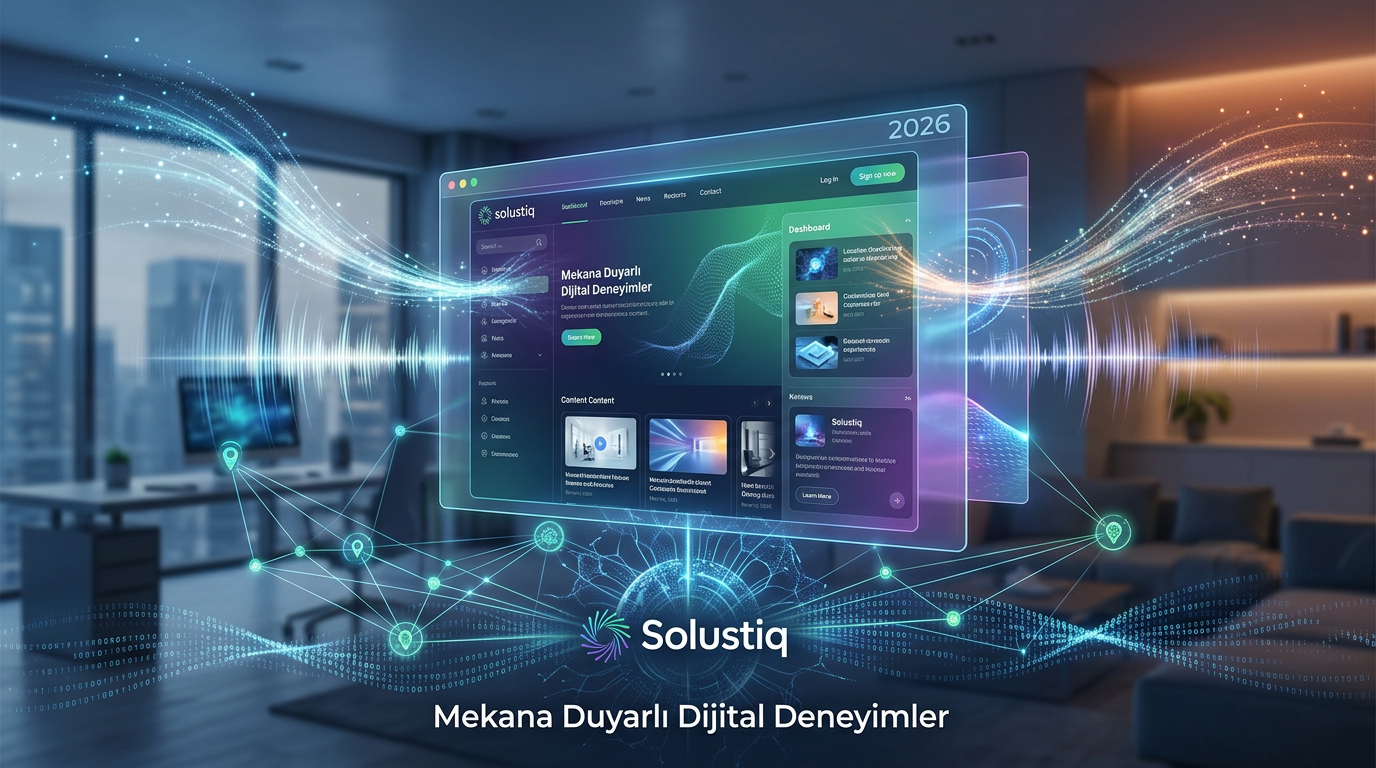
AI-Powered Augmented Audio Reality: Enhancing Web Experiences in 2026
As we look to 2026, AI-Powered Augmented Audio Reality (AAR) stands out as a leading technology enriching user experience in the digital world. At Solustiq, we lead the way in developing data-driven and AI-centric solutions for websites. With strong references such as HagiaSophia.com and GalataTower.com, we demonstrate our expertise in this field. Augmented audio reality goes beyond visual content by adding an auditory dimension for users. Furthermore, AI integration makes this experience personalized and dynamic. In this blog post, we will delve into how AAR can be integrated into websites, its advantages, and Solustiq's vision in this domain, focusing on the power of AI-Powered Augmented Audio Reality.
What is AI-Powered Augmented Audio Reality (AAR)?
Augmented Audio Reality (AAR) is a technology that provides users with an enriched auditory experience by adding digital sound layers to real-world sounds or manipulating these sounds. With the involvement of Artificial Intelligence, AAR not only plays predefined sounds but also adaptively generates or modifies audio content. This occurs in real-time, based on the user's context, preferences, and even emotional state. This innovative application of AI-Powered Augmented Audio Reality is set to redefine digital interaction.
Key Components of AAR
- Sensor Data: Data such as user location, device orientation, and even environmental sounds are collected.
- Artificial Intelligence Engine: This engine analyzes collected data, understands user intent, and then selects or synthesizes appropriate audio content.
- Audio Output: Enriched audio reaches the user's ears via headphones, speakers, or specialized auditory devices.
This technology, especially as of 2026, has the potential to revolutionize many areas. These include games, navigation applications, educational platforms, and of course, websites. At Solustiq, we aim to create unique user experiences by utilizing this potential in web design and AI-powered SEO strategies, leveraging the full capabilities of AI-Powered Augmented Audio Reality.
Integrating AI-Powered Augmented Audio Reality into Websites
Traditional web design is usually heavy on visuals and text. However, with AI-Powered Augmented Audio Reality, this is fundamentally changing. AAR integration into websites allows for more interactive, engaging, and memorable experiences.
Auditory Navigation Experiences with AAR
Users visiting a website can be guided not only by visual cues but also by auditory feedback as they navigate pages. For instance, a distinctive sound could play when hovering over a menu item. Alternatively, ambient sounds specific to a product category could activate upon entering that category. This not only enhances accessibility for visually impaired users but also adds a different dimension for all users, thanks to AI-Powered Augmented Audio Reality.
Product Presentation in E-commerce with AAR
In e-commerce sites, AAR can make product presentations more impactful. When a product is clicked, short, informative audio descriptions or simulated sounds can be offered. For example, these could include the rustle of a fabric or the operating sound of a machine related to the product's structure, material, or usage. This provides a richer understanding, which positively influences customers' purchasing decisions, all powered by AI-Powered Augmented Audio Reality.
AAR in Artistic and Cultural Websites
On cultural heritage sites like HagiaSophia.com and GalataTower.com, AI-Powered Augmented Audio Reality can give visitors a sense of being there. For example, while navigating a page about Hagia Sophia, one might hear historical bells, hymns, or ambient sounds from daily life of that era. On the Galata Tower page, seagull sounds accompanying Istanbul's unique view or ship sirens from the Bosphorus could be added. Such auditory layers significantly strengthen storytelling and increase visitors' engagement with the site.
Personalized Content Stream through AAR
Artificial intelligence can personalize audio content based on the user's past behavior, interests, and even geographical location. Consequently, this provides a specially curated auditory journey for each user, increasing engagement and conversion rates. This aligns with approaches for predictive content consumption, further enhanced by AI-Powered Augmented Audio Reality.
Impacts of AI-Powered AAR on SEO
The use of AI-Powered Augmented Audio Reality on websites not only improves user experience but also makes significant contributions to SEO performance. Search engines evaluate the quality of a site by considering metrics such as user time spent on a website, engagement rate, and bounce rate.
Longer Session Durations and Lower Bounce Rate with AAR
Websites enriched with augmented audio reality provide users with a more immersive and engaging experience. This keeps users on the site for longer, signalling to search engines that the site offers valuable and relevant content. Low bounce rates are also an important factor that positively affects SEO rankings, a direct benefit of integrating AI-Powered Augmented Audio Reality.
Increased Engagement Rates via AAR
Auditory elements encourage users to interact more with the content. Audio feedback provided when buttons are pressed or when hovering over specific content prompts users to be more active. This increase in engagement can be interpreted by search engine algorithms as an indicator of the site's authority and relevance, thanks to AI-Powered Augmented Audio Reality.
Accessibility and Inclusivity with AAR
AAR makes websites more accessible, especially for visually impaired users or those with reading difficulties. Since search engines prioritize sites that emphasize accessibility, this can increase the site's SEO score. Providing an inclusive web experience further strengthens brand reputation, a key advantage of AI-Powered Augmented Audio Reality.
Advantage in Voice Search with AAR
By 2026, the popularity of voice search continues to grow. Websites integrated with AAR, because they host audio content, have the potential to respond better to voice search queries. Specifically, for users looking for audio information on a specific topic, such sites may become prioritized. Learn more about voice content creation and optimization for websites, and how AI-Powered Augmented Audio Reality plays a role.
Solustiq's Vision and Applications of AI-Powered AAR
At Solustiq, we aim to be pioneers in technologies shaping the digital future. AI-Powered Augmented Audio Reality is a critical part of this vision. With the data-driven and AI-centric applications we develop, we offer our clients not only aesthetic but also functional and efficient web solutions.
Our Development Approach for AAR
- User-Centric Design: In every AAR integration, we prioritize the end-user's experience. This ensures audio elements are not only decorative but also functional and meaningful.
- Data Analysis: We meticulously analyze user interaction data to increase the effectiveness of our AI engines. Through this data, we can continuously improve and personalize the audio experience.
- Scalable Solutions: Our developed AAR solutions can be integrated into websites of all sizes, from small businesses to large corporations, and are scalable according to needs.
Future Plans and Research Areas in AAR
Solustiq is rapidly continuing its research in the field of AAR. We are particularly working on innovative solutions in areas such as integration with natural language processing (NLP), emotional AI for adapting sound based on user mood, and real-time sound synthesis. Our goal is for websites to not just be seen, but to become platforms that genuinely speak to their users, interact with them, and offer them unique auditory journeys.
In 2026 and beyond, we are entering a digital age where we will experience websites not only with our eyes but also with our ears. At Solustiq, we are proud to be at the forefront of this transformation. Ultimately, we offer our clients AI-Powered Augmented Audio Reality solutions that provide a competitive advantage.
Challenges and Opportunities of AI-Powered AAR in Web Development
AI-Powered Augmented Audio Reality technology offers exciting opportunities in web development. However, it also brings some challenges. At Solustiq, we work with a multidisciplinary approach to overcome these challenges and make the most of the opportunities.
Technical Challenges of AAR Integration
- Browser Compatibility: The compatibility of audio APIs and AI models across different browsers can pose a significant obstacle for developers.
- Performance and Latency: Low latency is critical, especially in applications requiring real-time audio synthesis and processing. Simultaneous high-quality audio playback requires optimal use of server and client resources.
- Data Security and Privacy: Privacy concerns must be prioritized when collecting and processing user data, ensuring full compliance with GDPR and similar regulations. For insights on safeguarding digital assets, read about cyber warfare simulations for websites.
- Design Complexity: Auditory interface design has different principles than visual interface design. Therefore, it requires careful planning to ensure users have an intuitive experience.
Marketing and Adoption Opportunities for AAR
- Competitive Advantage: Using AAR distinguishes your website from competitors and creates an innovative brand image. You can explore how integrating AAR aligns with broader strategies like integrating IoT data for smarter ecosystems.
- New Revenue Streams: New revenue models can be created by offering customized audio packages or premium auditory experiences.
- Increased Brand Loyalty: You can increase user loyalty to your brand by offering rich and personalized auditory experiences.
- Education and Engagement: Especially for sites offering educational and cultural content, AAR allows information to be presented in a more memorable and interactive way.
At Solustiq, with the experience we've gained from projects like HagiaSophia.com and GalataTower.com, we have the capabilities to overcome these challenges. We fully leverage the opportunities AAR offers. In 2026, we are transitioning to an era where websites provide not just information, but also experiences, and AI-Powered Augmented Audio Reality forms the foundation of this experience.