Green Web Design: Sustainable AI-Powered Websites by Solustiq
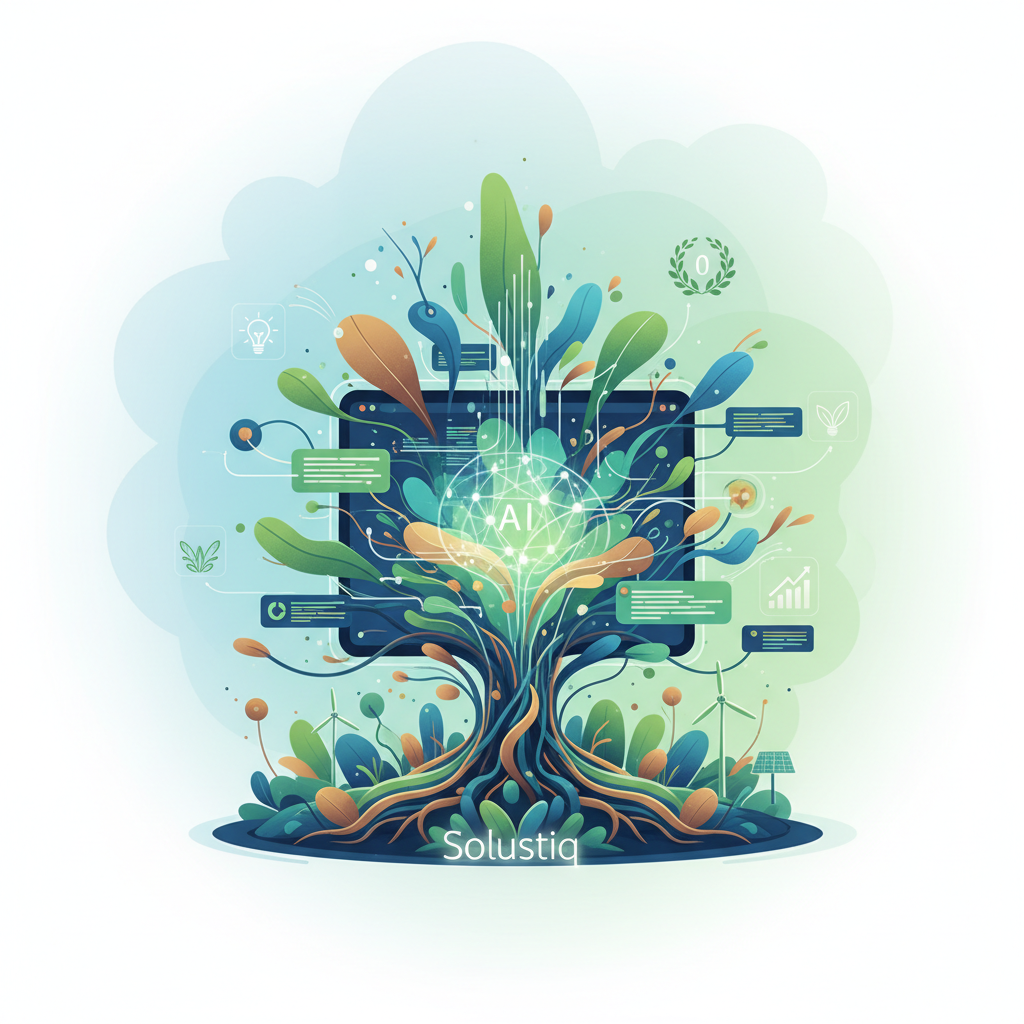
As we arrive in 2026, the environmental footprint of the digital ecosystem is becoming increasingly important. Particularly with the proliferation of artificial intelligence (AI)-powered websites, the increase in energy consumption makes the concept of Green Web Design inevitable. At Solustiq, as evidenced by our strong references like HagiaSophia.com and GalataTower.com, we place sustainability at the core of our data-driven and AI-powered application development. In this article, we will delve into Green Web Design approaches that minimize the environmental impact of the digital world and invest in the future, energy efficiency strategies, and Solustiq's pioneering role in this field.
The Importance of Green Web Design and the Digital Environmental Footprint
In today's digital age, websites not only provide access to information but also become a significant source of energy consumption. Servers, data centers, network infrastructures, and personal devices continuously consume energy, contributing to carbon emissions. Therefore, Green Web Design has ceased to be merely an aesthetic or user experience matter and has become a critical responsibility for our planet.
The Environmental Impact of Digitalization
Every website visit, every email sent, or every cloud-based operation brings with it a certain energy consumption. These actions, performed simultaneously by billions of users, account for a significant share of global energy consumption. This situation necessitates the adoption of environmentally friendly practices in web design and development processes, making Green Web Design a crucial consideration.
Sustainability-Oriented Approaches
At Solustiq, we embrace sustainability as a core principle in our projects. This means delivering not only aesthetically pleasing and functional websites but also environmentally minimized, energy-efficient digital solutions. By implementing Green Web Design principles, we fulfill our responsibility to the planet and provide long-term cost benefits to our clients. Learn more about achieving long-term brand awareness and loyalty with AI-powered SEO in 2026 through sustainable practices.
Energy-Efficient Website Development Strategies for Green Web Design
Energy efficiency is one of the most important elements that make Green Web Design possible. The right strategies and technologies must be used to make a website consume less energy. At Solustiq, we integrate these strategies into our development processes.
Optimized Code and Infrastructure
- Clean and Lightweight Coding: Optimized code, free from unnecessary code blocks, reduces energy consumption by using fewer server resources. This also speeds up page loading times, a key aspect of Green Web Design.
- Efficient Database Management: Well-designed and optimized databases consume less energy during data retrieval and processing. This is critically important for data-driven AI applications.
- CDN Usage (Content Delivery Network): Distributing content from servers closer to users reduces server load and saves energy in data transfer.
Visual and Media Optimization
Images and videos on websites often constitute the largest file sizes, which increases loading times and energy consumption. Therefore, visual and media optimization is indispensable for Green Web Design.
- Modern Image Formats: More efficient image formats like WebP or AVIF offer smaller file sizes at the same quality.
- Lazy Loading: Loading images in parts of the screen that are not visible only when the user scrolls significantly reduces initial page load time and energy consumption.
- Video Streaming Optimization: Reducing video sizes and serving them in appropriate formats minimizes bandwidth usage and, consequently, energy consumption.
AI-Powered Green Web Design and Solustiq's Approaches
At Solustiq, we believe that AI can not only increase efficiency but also support sustainable solutions. In 2026, AI is taking Green Web Design principles even further.
Resource Optimization with AI
Artificial intelligence algorithms can be used to optimize a website's energy consumption. For example:
- Intelligent Caching: AI can analyze user behavior to more accurately predict which content should be cached, reducing the load on the server.
- Server Resource Management: AI-powered systems can dynamically manage server resources, reducing energy consumption during periods of low demand.
- Code and Content Optimization: AI can assist developers by identifying unnecessary or unused code snippets and providing intelligent suggestions for visual optimization. Discover more about AI-powered adaptive content optimization.
Data Centers and Renewable Energy
The energy sources of the data centers where a website is physically hosted are also critically important for Green Web Design. At Solustiq, we prefer to work with cloud providers that prioritize data centers powered by renewable energy sources whenever possible. This choice is an important factor that directly affects our digital footprint. For more insights into energy-efficient data centers, you can explore resources from the ENERGY STAR program for data center efficiency.
Solustiq's Green Approaches in Practice
In our projects like HagiaSophia.com and GalataTower.com, we combine both AI integration and sustainability principles. For example:
- While personalizing the user experience with AI, we use advanced algorithms to optimize page loading speed and efficiently serve visual/media assets. This is a core tenet of effective Green Web Design.
- Data analysis and AI models ensure the most efficient use of server resources, preventing unnecessary energy consumption.
- By using modular and scalable architectures, we build systems that can easily adapt to future needs and prevent energy waste.
The Intersection of SEO and Green Web Design
Green Web Design is beneficial not only for the environment but also for search engine optimization (SEO). Search engines, especially Google, evaluate user experience and page speed as ranking factors. An energy-efficient website is generally a high-performing website. Read more about AI-powered website optimization for omnichannel user experience.
Page Speed and Environmentally Friendly Design
Green design principles such as visual optimization, clean code, and CDN usage, mentioned above, directly improve page loading speeds. Faster loading pages:
- Improve user experience (UX).
- Reduce bounce rates.
- Positively affect search engine rankings.
Therefore, Green Web Design is an approach that naturally supports SEO performance. While search engines do not directly reward efforts to reduce the carbon footprint, they indirectly contribute to these efforts through the performance advantages offered by energy-efficient websites. You can find Google's guidelines on web performance best practices.
Mobile-Friendly and Lightweight Design
Web traffic via mobile devices is increasing steadily. Mobile-friendly, lightweight, and fast websites are critical for both user experience and energy efficiency. A mobile site that consumes less data helps preserve the user's device battery life while also reducing environmental impact by using less bandwidth. This focus on efficiency is central to Green Web Design.
Sustainable Digital Solutions for the Future with Green Web Design
For 2026 and beyond, sustainability in the digital world must be at the top of our agenda. At Solustiq, we embrace Green Web Design not just as a trend but as a fundamental business model. Guided by AI, we will continue to strike the perfect balance between energy efficiency and performance.
Education and Awareness
To spread sustainable digitalization, awareness in the industry needs to be increased. Developers, designers, and business owners becoming aware of Green Web Design principles will make a big difference. Organizations like the World Wide Web Consortium (W3C) continuously work on standards that can contribute to a more sustainable web.
Solustiq's Future Goals
At Solustiq, we aim to integrate AI-powered energy optimization even more deeply into our future projects. By combining new technologies and sustainability approaches, we will continue to provide our clients with digital solutions that are not only successful but also environmentally friendly. We are continuously working on R&D to reduce our digital footprint and create a more sustainable internet environment. Through this, we will continue to take innovative steps that benefit both businesses and our planet. Explore our insights on AI-powered predictive modeling for smart web applications in 2026.