Virtual Reality Web Design: High-Resolution Experiences and Solustiq in 2026
As we navigate 2026, the digital world continues its rapid evolution. Thanks to pioneering software companies like Solustiq, web experiences are now more interactive and immersive than ever before. At the forefront of this digital transformation is Virtual Reality Web Design. This new generation of design offers a unique digital adventure, moving beyond traditional websites to deeply engage users and reshape brands' online identities. AI-Powered Web Design & Development
What is Virtual Reality Web Design and Why is it Important?
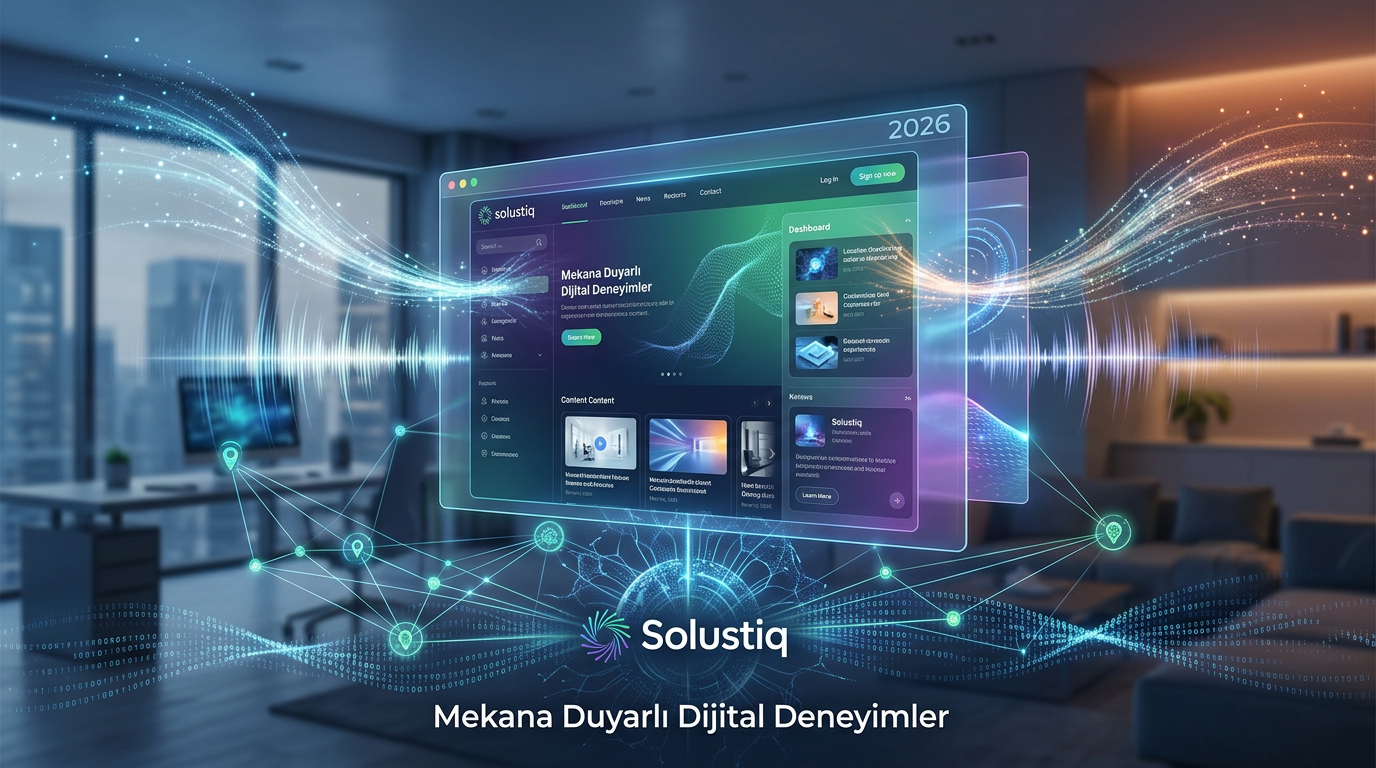
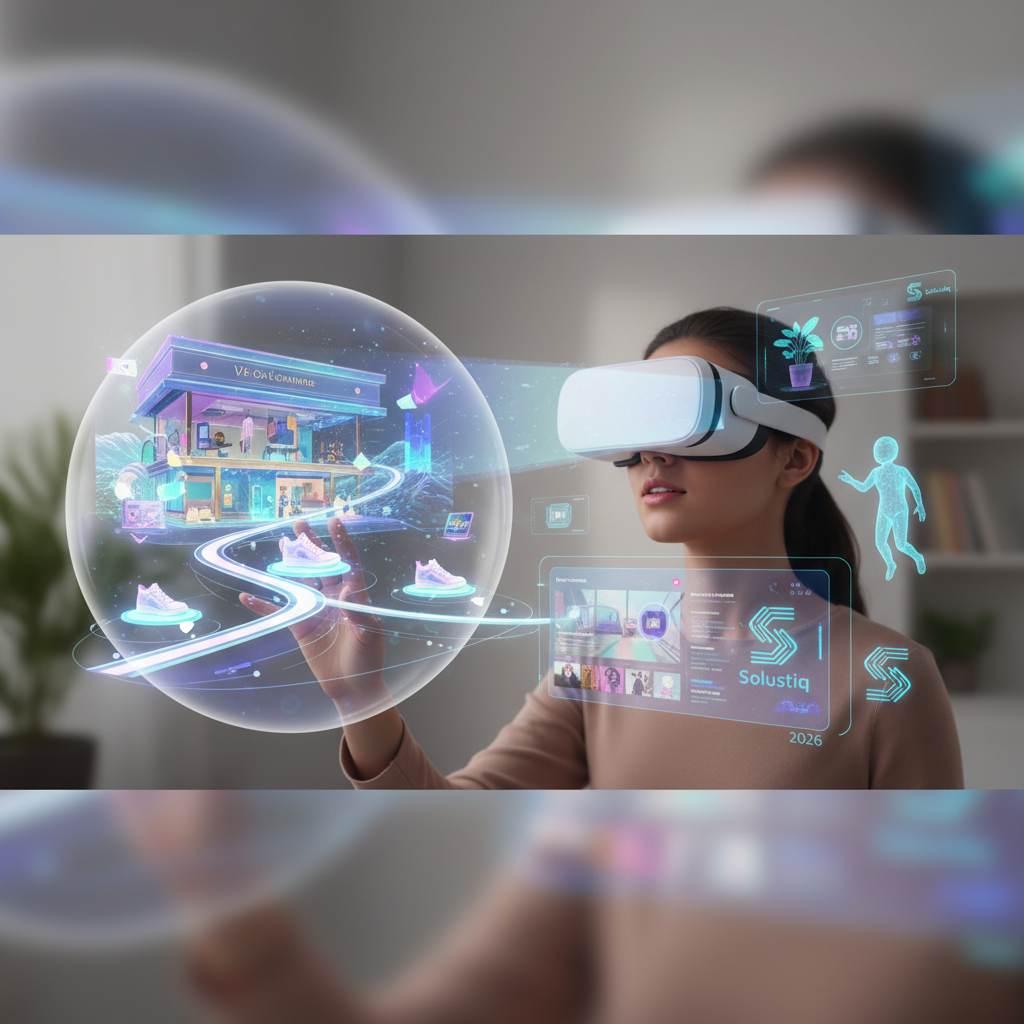
Virtual Reality Web Design (VR Web Design) involves creating interactive 3D interfaces that immerse users in virtual environments while browsing a website. This innovative technology profoundly changes user experience (UX) and user interface (UI). Unlike the limited interaction of traditional 2D websites, virtual reality provides a platform rich with depth, movement, and true immersion.
A Revolution in User Experience
In 2026, internet users actively seek engagement, moving past passive content consumption. Virtual reality directly addresses this need, enabling brands to craft more personal and memorable interactions with their target audience. For instance, a real estate firm's VR-supported website allows potential buyers to tour homes virtually without a physical visit. This focus on user-centric design aligns with the broader trends of data-driven UI/UX design in 2026.
Increasing Brand Loyalty
Brands offering a unique Virtual Reality Web Design experience stand out from competitors, fostering greater customer loyalty. Users don't just purchase a product or service; they become an integral part of the brand's ecosystem. This offers a significant competitive edge, particularly in the e-commerce and entertainment sectors, mirroring how AI is transforming e-commerce with personalized shopping experiences in 2026.
Solustiq's Expertise in Virtual Reality Web Design
At Solustiq, we are leaders in data and AI-driven applications, and also prominent in the web design industry. Our robust portfolio includes prestigious projects such as HagiaSophia.com and GalataTower.com. These experiences empower us to deliver solutions that are not only aesthetically pleasing but also highly functional and user-centric. We apply the same meticulous approach to our Virtual Reality Web Design projects.
AI-Powered Virtual Environments
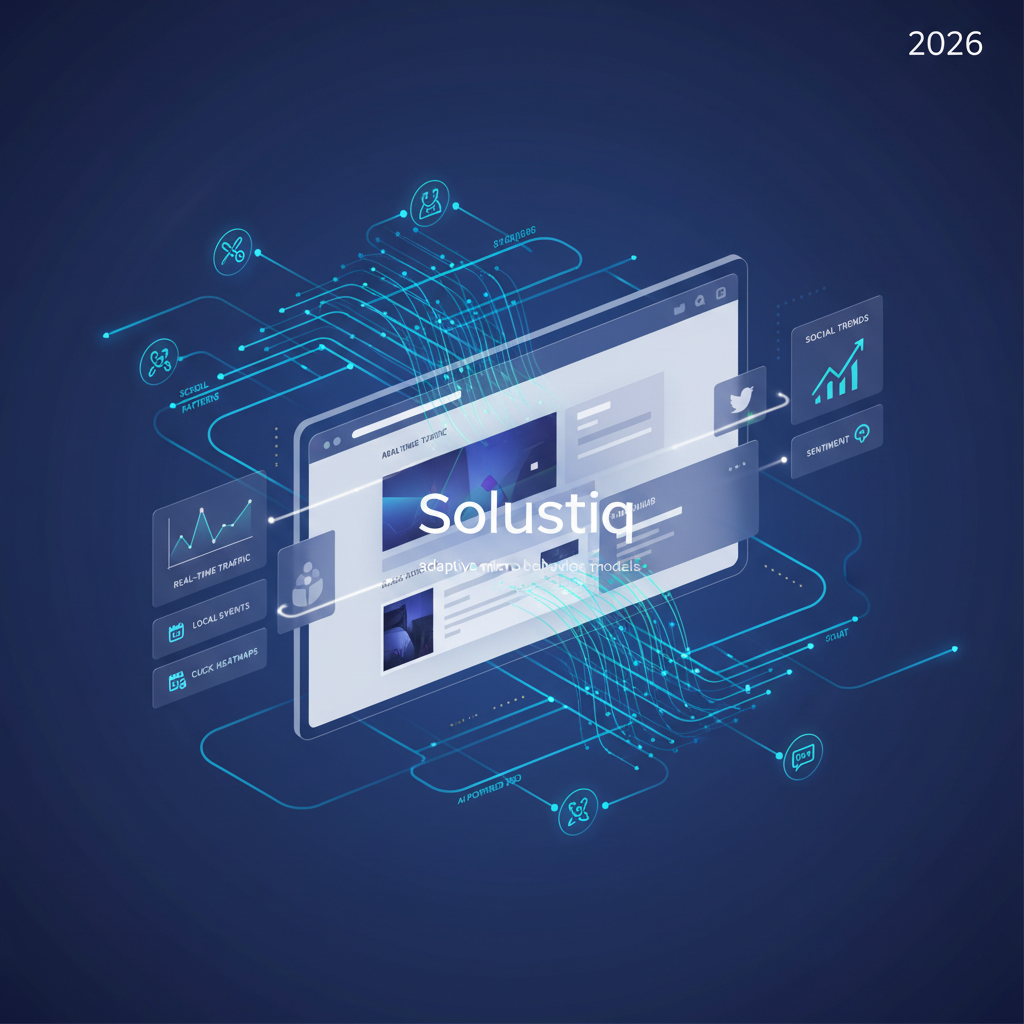
Solustiq integrates artificial intelligence into its Virtual Reality Web Design, providing personalized and dynamic experiences. AI algorithms analyze user behavior, instantly adapting the virtual environment to create a unique browsing journey for each visitor. This is a core component of AI-powered web development in 2026.
Data-Driven Design Approach
Furthermore, every design decision we make is backed by data. In our virtual reality applications, we collect user interaction data to continuously enhance design and user experience. This systematic approach maximizes return on investment (ROI) and maintains the highest levels of user satisfaction, aligning with our focus on data-driven AI in creative industries in 2026.
Virtual and Augmented Reality Integrations in 2026
By 2026, Virtual Reality Web Design and augmented reality (AR) integrations have become essential in our daily lives. Their impact extends beyond specific sectors, driving revolutionary changes in diverse fields, from retail and education to healthcare and art.
Virtual Experiences in Retail
Customers can now virtually try on products when shopping online. Clothing retailers offer virtual fitting rooms, while furniture brands enable customers to visualize products within their own homes using AR. This significantly influences purchasing decisions.
Immersive Learning in Education
Educational institutions provide interactive lessons through platforms enhanced by Virtual Reality Web Design. Students can experience historical events firsthand, learn complex scientific processes with 3D models, or explore different cultures through virtual tours, significantly boosting learning motivation and success.
High-Resolution Applications in the Health Sector
In the healthcare sector, virtual reality also plays a crucial role, ranging from surgeon training to patient rehabilitation. Virtual surgery simulations help doctors hone their skills, while patients can receive support for pain management or anxiety reduction through virtual therapies.
Virtual Reality Web Design and SEO Integration
Even advanced Virtual Reality Web Design requires robust search engine optimization (SEO) strategies, just like traditional websites. At Solustiq, we conduct comprehensive SEO analyses for each project to ensure content is not only visually compelling but also achieves high search engine rankings.
Indexable 3D Content
It is paramount that text, visual, and interactive elements within virtual reality environments are indexable by search engines. Solustiq utilizes the latest technologies to ensure content is accessible to both users and search engines effectively. This aligns with modern website architecture and internal linking strategies with AI-powered SEO in 2026.
Performance and Speed Optimization
High performance of virtual reality sites is critical for both user experience and SEO. Factors like page loading times, interaction speed, and stability directly impact search engine rankings. Consequently, we prioritize speed and performance optimization in all our Virtual Reality Web Design projects, mirroring the excellence seen in our website references, HagiaSophia.com and GalataTower.com. Our approach to AI-powered CI/CD strategies for high-performance websites in 2026 ensures this commitment.
Future Trends in Virtual Reality Web Design and Solustiq's Role
Looking ahead to 2026 and beyond, Virtual Reality Web Design trends will further push the boundaries of user interaction, personalization, and intuitiveness. Solustiq closely monitors these trends and seamlessly integrates them into our projects.
Metaverse and Web3 Integrations
With the rise of Metaverse universes, websites are increasingly becoming integral parts of these virtual worlds. Solustiq is developing platforms that empower users to manage digital assets and experience decentralized interactions through virtual reality-based websites leveraging Web3 technologies. This is closely related to our work on AI with smart contracts in 2026.
Haptic Feedback and Multi-Sensor Experiences
Haptic feedback technologies, which incorporate the sense of touch, make virtual reality experiences even more realistic. On Solustiq.com, we conduct research and development into these innovative integrations, in line with our content on artificial intelligence, web design, and SEO optimization.
Accessibility and Inclusivity
Furthermore, it is crucial that Virtual Reality Web Design is accessible to every user. We prioritize inclusive design principles to ensure that individuals with physical disabilities can also fully benefit from these rich experiences.
In conclusion, 2026 marks a transformative period where Virtual Reality Web Design, spearheaded by companies like Solustiq, is expanding the frontiers of the digital world. These next-generation web experiences, focusing on users and powered by artificial intelligence and data, will be instrumental in the future success of brands and fundamentally alter our perception of the digital landscape. For more on how AI is shaping the web, explore our insights on AI and sustainability in creative web design 2026.